Safe vs Unsafe: Taking Care Of Asbestos Concrete at Home
Managing asbestos cement securely indicates maintaining products undamaged, uninterrupted, and regularly checked, using correct PPE and following neighborhood policies if minor repairs are needed. It's dangerous to reduce, sand, or dry-handle asbestos concrete, or to skip qualified safety equipment, as these activities launch dangerous fibers. DIY disruption, inappropriate disposal, and lack of awareness substantially boost health and legal dangers. You'll find sensible steps, regulatory support, and how to safeguard on your own and your family with the information that comply with.
Takeaways
- Only disrupt asbestos cement if definitely essential, and always use appropriate safety devices and wet approaches to suppress dust.
- Never ever cut, sand, drill, or break asbestos concrete, as this launches dangerous fibers and creates significant health risks.
- Intact, sealed, and intact asbestos concrete is generally safe if left uninterrupted and routinely checked for wear and tear.
- Always get in touch with licensed professionals for screening, massive removal, or if you are unclear about risk-free handling procedures.
- Inappropriate disposal, completely dry sweeping, and absence of PPE are risky techniques that significantly increase direct exposure danger and may go against local laws.
Exactly How Can You Inform If Asbestos Concrete Remains In Your Home?
Recognizing asbestos cement in your house calls for a mindful technique, since this product usually looks like basic concrete items but includes tiny asbestos fibers. You can't verify asbestos existence just by looking— aesthetic evaluation alone isn't reliable for asbestos recognition. Instead, check for items typically made with asbestos concrete, such as roof covering sheets, siding, pipes, and flue air ducts installed prior to the 1980s. Labels or manufacturing stamps might supply hints, but these aren't constantly present. For certainty, you'll require expert material testing. Licensed asbestos examiners adhere to rigorous safety and governing procedures when collecting examples, decreasing direct exposure threats. Never ever try to reduce, damage, or interrupt suspicious product yourself. Instead, contact a certified asbestos specialist for proper identification and screening to make specific compliance and secure your wellness.
Is It Safe to Leave Asbestos Cement Undisturbed?
Although the presence of asbestos cement in your house might appear alarming, it's typically taken into consideration safe to leave this product uninterrupted if it's in good condition. Asbestos cement items are most hazardous when they're damaged or wearing away, which can launch fibers into the air. According to regulatory guidelines, you need to prevent troubling these materials and rather concentrate on routinely keeping track of their problem. If the asbestos concrete continues to be undamaged, sealed, and undamaged, it's not likely to present a health danger. https://barnesasbestosremoval.co.uk/services/soft-strip-demolition.html Paper the areas and evaluate them occasionally for any indicators of wear, splits, or water damage. Must you discover any changes, seek advice from a accredited asbestos professional for more analysis. By leaving asbestos cement undisturbed and remaining cautious, you reduce your risk of unneeded direct exposure.
What Makes Handling Asbestos Concrete Risky?
When asbestos concrete is interrupted— whether with cutting, boring, sanding, or breaking-– it can release microscopic asbestos fibers right into the air, developing a severe breathing danger. You may believe asbestos cement is secure because it's a strong product, but with time, friable wear and tear can occur. As the cement matrix breaks down, asbestos fibers come to be much more quickly airborne, particularly if heritage insulation exists close-by and has already weakened. Even small-scale home repair services can unintentionally damage asbestos cement, making the fibers easily accessible to your respiratory system. Regulative guidelines stress and anxiety that inappropriate handling increases your threat of exposure, which can lead to long-term health and wellness consequences. That's why you should not ignore the risks— disturbing asbestos concrete without proper procedures is never ever taken into consideration safe or compliant.
What Security Equipment Do You Need for Asbestos Cement?
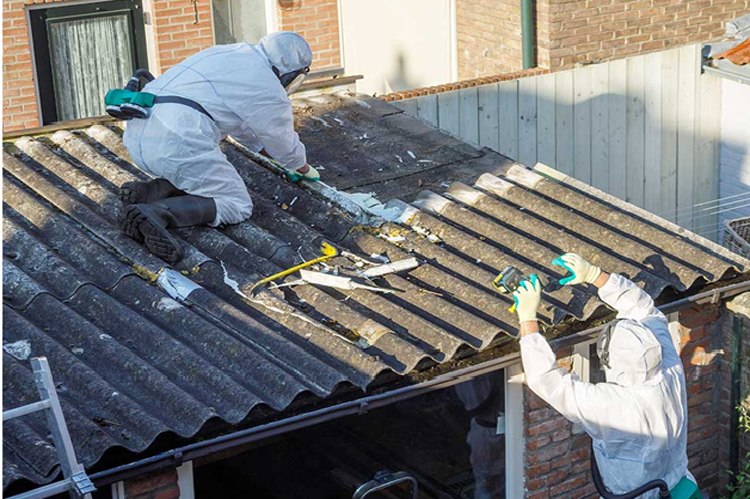
When you're functioning with asbestos concrete, you'll require to use specific personal safety devices to fulfill security policies and minimize health and wellness threats. It's necessary to use a correctly rated respirator to avoid breathing in unsafe fibers. Your equipment must also include disposable coveralls, gloves, and eye defense to guarantee full compliance and limitation exposure.
Vital Individual Safety Equipment
Proper safety and security equipment is non-negotiable for any individual handling asbestos cement, as also quick direct exposure to air-borne fibers can pose significant wellness risks. When selecting handwear covers, go with resilient, chemical-resistant kinds— nitrile or neoprene are more suitable, as they prevent fiber penetration and satisfy regulatory standards. Glove selection is important; ensure a snug fit to prevent spaces at the wrist. For eye and face protection, a full-face visor is advised. Prioritize visor fit— select a design that seals well around your face, leaving no access factors for dirt. Non reusable coveralls with fitted cuffs, ideally Kind 5/6, should be used to restrict skin contact and fiber spread. Constantly check your safety equipment for damages prior to each usage. Don't endanger; proper PPE is your very first line of defense.
Proper Breathing Protection
Do not take too lightly the relevance of a well-fitted respirator-– air-borne asbestos fibers are undetectable and extremely harmful, even at low focus. When dealing with asbestos cement, breathing security isn't optional; it's called for by safety and security regulations. You require to concentrate on both respirator fit and filter kinds to guarantee reliable defense. Constantly pick equipment that meets nationwide requirements (such as NIOSH or EN). Right here's what you need to focus on:
- Choose a half-face or full-face respirator particularly rated for asbestos, not just dust masks.
- Usage P100 (or HEPA) filter cartridges-– these filter types capture at the very least 99.97% of airborne bits.
- Conduct an in shape examination before each usage to make sure a correct seal and maximize security.
- Regularly examine and preserve respirators **** for damage, expiration, and cleanliness.
Just how Do You Securely Manage Minor Asbestos Cement Fixes?
When dealing with minor asbestos concrete repair services, you'll need to use authorized personal protective equipment to restrict fiber direct exposure. It's additionally essential to make use of wet fixing methods, as maintaining the material wet avoids dirt release. Constantly follow regional guidelines to reduce health and wellness and environmental threats during any kind of repair service work.
Essential Individual Safety Devices
Personal protective tools (PPE) works as your frontline defense versus breathing in or coming into contact with asbestos fibers throughout minor asbestos cement repair work. Constantly select PPE that fulfills governing criteria and is created for asbestos handling. Also little repairs can release harmful fibers, so do not forget proper equipment. Right here are four essential items you need to make use of:
- Respirator: Utilize a P2 (N95) or higher-rated respirator. Always execute a respirator fit check to assure a proper seal and effective filtration.
- Non reusable Coveralls: Wear Type 5/6 disposable coveralls to protect against fibers from connecting to your clothes or skin.
- Safety Eyeglasses: Use wraparound shatterproof glass or goggles to secure your eyes from dirt and debris.
- Gloves: Nitrile or latex handwear covers safeguard your hands and assist in safe elimination and disposal.
Safe Damp Repair Service Techniques
Using damp repair work approaches is the most safe way to minimize air-borne asbestos fibers throughout small asbestos cement fixings. https://barnesasbestosremoval.co.uk/services/refurbishment-demolition-survey.html Constantly begin by wetting the work location with a fine haze of water mixed with a small quantity of cleaning agent. This technique, recognized as damp securing, assurances asbestos fibers are had and less most likely to come to be airborne. Do not use high-pressure water— mild application is key for prime fiber reductions. Use hand devices rather than power tools to stay clear of disrupting the material better. If you should patch fractures or holes, use a suitable asbestos-approved sealant while the surface remains damp. Dispose of rags, handwear covers, and waste per neighborhood asbestos policies. Never ever sand, saw, or break the material dry— this boosts both threat and regulatory infraction. corrugated asbestos removal
Usual Mistakes That Put You at Threat With Asbestos Cement
Although asbestos cement is usually regarded as stable when undamaged, several usual errors can substantially raise your danger of exposure to hazardous fibers. You may accidentally release hazardous asbestos fragments if you forget essential safety and security methods or laws. Here are 4 regular errors that endanger your safety:
- DIY disturbance: Trying to reduce, drill, or sand asbestos cement on your own without expert advice can launch fibers right into the air.
- Improper disposal: Disposing of asbestos cement in regular home waste containers, in contrast to neighborhood policies, positions considerable health and wellness and lawful risks.
- Failing to wet products: Handling or getting rid of completely dry asbestos concrete boosts air-borne contamination, breaching best techniques.
- Neglecting protective tools: Not utilizing licensed respirators or non reusable coveralls considerably raises your danger of breathing and contamination.

Constantly prioritize regulative compliance and risk understanding.
Exactly How Can You Protect Your Household After Dealing With Asbestos Concrete?
As soon as you have actually ended up dealing with asbestos cement, it's crucial to take actions that stop dangerous fibers from entering your home. Right away do post direct exposure cleansing by thoroughly getting rid of and dealing with disposable coveralls, gloves, and masks according to regional contaminated materials standards. Prevent cleaning clothing or devices, as this can release asbestos fibers. For multiple-use work clothing, comply with stringent washing procedures: bag garments in a secured, identified container and launder them independently from home products utilizing hot water. Never ever blend polluted clothes with routine laundry. Tidy all tools and surface areas with a wet fabric or HEPA-filter vacuum cleaner-– never ever dry move or make use of basic vacuum cleaners. Shower extensively before interacting with your family to make certain you do not transfer fibers. These actions greatly minimize additional exposure threats.
When Should You Call an Asbestos Elimination Professional?
If your project entails harmed, friable, or comprehensive asbestos concrete materials, it's necessary to acknowledge when professional treatment is needed for governing compliance and safety and security. Handling asbestos incorrectly can cause serious health and wellness risks and legal effects. You ought to constantly speak with an asbestos removal professional if you come across the adhering to scenarios:
- Substantial Product Elimination: If the area of asbestos cement included surpasses neighborhood lawful requirements for homeowner elimination limitations.
- Damaged or Friable Asbestos: When the cement is falling apart, damaging apart, or releasing dust, boosting air-borne fiber danger.
- Uncertain Product Identification: If you're unclear whether the material consists of asbestos, expert assessment is crucial.
- Local Regulatory Standards: Lawful demands might mandate professional treatment for specific tasks or types of asbestos.
Overlooking these aspects can jeopardize both compliance and your safety and security.
Regularly Asked Inquiries
Can Asbestos Cement Be Recycled or Recycled?
You can not reuse or reuse asbestos concrete with regular ways as a result of rigorous policies. Although you may become aware of reclaimed tiles or industrial upcycling in other places, it's not lawfully or safely feasible with asbestos cement. Handling or modifying these materials releases unsafe fibers, which is why authorities mandate disposal at qualified facilities. https://barnesasbestosremoval.co.uk Always inspect neighborhood policies and never effort to repurpose asbestos concrete by yourself, as wellness and lawful dangers are substantial.
Does Asbestos Concrete Affect Home Resale Worth?
Yes, asbestos cement can negatively affect your home's resale worth due to its residential or commercial property effect and buyer perceptions. Possible buyers are commonly cautious of wellness risks and future removal costs, resulting in lower offers or difficulty selling. Laws may call for disclosure of asbestos products, and some lending institutions or insurers may hesitate to supply services. It's vital you recognize these risks and follow regional regulations if asbestos cement exists in your building.
What Should I Do if I Accidentally Damage Asbestos Cement?
If you inadvertently break asbestos cement, treat it like going down a bag of flour— the dirt spreads out undetectably but precariously. Immediately wear protection: utilize a respirator and disposable coveralls. Do not sweep or vacuum cleaner; instead, utilize damp suppression by misting the particles to stop fibers from ending up being air-borne. Collect items meticulously, double-bag them in heavy-duty plastic, and call regional dangerous waste authorities for disposal. Comply with all regulative guidelines to decrease direct exposure risk.
Are There Lawful Penalties for Improper Asbestos Disposal?
Yes, you can encounter lawful repercussions if you incorrectly deal with asbestos, consisting of substantial disposal fines. Rules need asbestos waste to be dealt with and transferred by qualified experts, and certain control and labeling standards have to be fulfilled. If you ignore these regulations, authorities might release fines, and in many cases, criminal charges. It's essential you understand your local policies and ensure stringent conformity to stay clear of both health and wellness dangers and legal repercussions.
Just How Does Wear And Tear Affect Asbestos Cement Safety?
Did you understand maturing surfaces of asbestos concrete can release approximately 10,000 fibers per liter of air throughout extreme weathering? As these products age, direct exposure to rainfall, wind, or physical damage raises the danger of fiber launch, which positions major health and wellness threats. You'll need to on a regular basis check and maintain asbestos cement, following local regulations to decrease air-borne fibers and minimize environmental contamination. Always focus on threat recognition when dealing with weakening products.